Evaluating a Mother's Day Embroidery Design for Real Use
When a new embroidery file lands in my digital library, my first instinct isn't just to open it—it's to visualize it stitched out. I imagine the thread texture, how the letters will feel under a satin stitch, and what kind of project it would elevate. The Mom Hard Wife Hard Work Hard Repeat SVG came across my desk with a clear purpose: Mother's Day. But as a designer who works on everything from boutique kitchen towels to custom baby blankets, I need to know if its appeal is broader and its execution is sound. Let's put this design through a practical review.
The Immediate Mood and Visual Personality
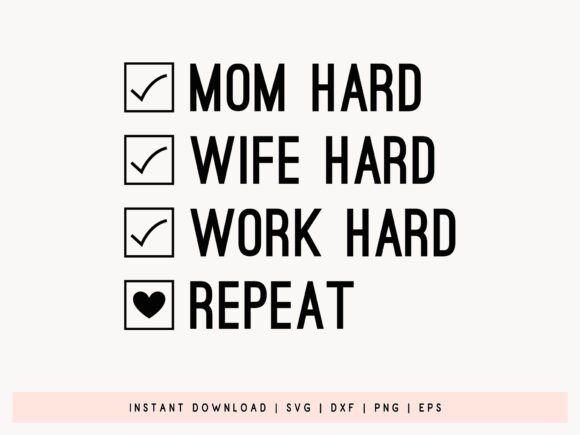
The phrase itself has a grounded, almost anthem-like quality. It's celebratory but not sentimental; it speaks to resilience and recognition. Visually, the layout promise is straightforward—a repeated, impactful statement. For embroidery, this means we're looking at text-based work, which immediately brings considerations of font weight, spacing, and stitch clarity to mind. The mood it creates is one of strength and appreciation, making it naturally belong to gifts meant to honor the everyday effort of motherhood. It feels personal, direct, and perfect for a custom apparel or a handmade product that says "I see what you do."
Where This Design Shines in Real Projects
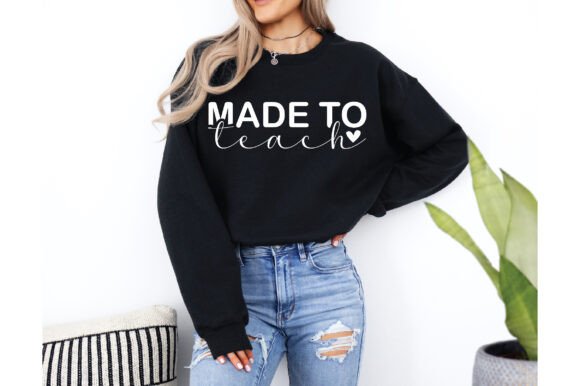
I pictured it on a cozy, well-worn sweatshirt first. A simple, centered placement on the chest. The repetition of "Hard" gives the design a rhythmic, almost patterned quality that would work beautifully with a clean satin stitch. It would translate powerfully onto a canvas tote bag—a practical item for a practical message. For a more intimate gift, like a personalized pillow cover for a nursery or a kitchen towel, the design's honesty would feel warm and authentic.
From a small business perspective, this is a strong candidate for holiday gift collections. An Etsy seller could easily build a line around it: embroidered caps, aprons, even simple patches. Its theme is universal enough for craft fair products but personal enough for custom embroidery orders where a client might want it on a baby blanket for a new mom. The strength of a good digital embroidery file like this is its adaptability across mediums while keeping its core message intact.
A Real-Life Scenario: The Embroidered Tote Bag
Let's walk through a real case. I'm preparing a custom tote for a Mother's Day pop-up shop. I choose a mid-weight cotton canvas. My concern with text-based designs is always stitch density on thicker fabrics; too dense can make the bag stiff, too light can look sparse. This design, with its repeating words, likely uses a mix of fill and running stitches. I'd test a scrap first to see how the thread colors pop—a high contrast between thread and fabric is key here for readability. On a dark bag, a bright white or pastel thread would make the statement bold and clean. The result would be a functional, high-value handmade product with emotional resonance, exactly what drives buyer engagement in a small shop.
Caution Zones and Considerations
Not every design fits every surface. The Mom Hard Wife Hard Work Hard Repeat SVG, being text-centric, requires careful handling in a few areas. On small hoop sizes, like for a child's cap or a tiny patch, the lettering detail could become cramped. If the file has very small serifs or decorative accents, they might get lost or pucker. Stretchy fabrics like t-shirts need extra stabilizer to keep the text from distorting.
I'd be cautious with overly textured fabrics, like a thick sweater, where clarity might suffer. And on curved surfaces like caps, the layout needs to be adaptable—a single-line format would work better than a stacked block. Always check how the design renders in a simple black-and-white printable mockup first to judge the layout's fundamental strength before committing thread.
Impact on Professional Results and Customer Trust
How a design stitches out directly affects perceived value. A clean, crisp embroidery of this message on a tea towel or sweatshirt conveys professionalism and care. It tells a customer that the maker understood the assignment. For a craft business, using a design that stitches well builds customer trust through consistency. The "giftability" of the final product skyrockets when the craftsmanship matches the sentiment.
For commercial embroidery projects, where you might be producing dozens of items for a boutique, a reliable, clear design is non-negotiable. This one, given its straightforward thematic core, could become a staple in a small shop merchandise line, enhancing brand consistency if your niche celebrates family or everyday heroes.
Essential Designer Notes Before You Stitch
My routine before any new project involves a few critical steps. For this design, I would strongly advise:
- Test on scrap fabric first. Use the same material you intend for the final product. Check for thread tension and density issues.
- Review stitch density in your software preview. Look for overly thick fill areas that might be tough on thin fabrics.
- Confirm your hoop size compatibility. Does the design need a large field for best presentation, or can it scale down for a cap?
- Inspect small details. Zoom in. Are there tiny corners or connections that might need adjustment for your specific machine?
- Compare light and dark fabric backgrounds. Plan your thread palette accordingly. A design like this might need a completely different color set for a black sweatshirt versus a white apron.
- Use proper stabilizer. This is paramount for text clarity, especially on stretchy or textured materials.
- Check the licensing. This is a Graphics product. Before selling finished items or using it in digital product previews, always confirm the commercial use terms. Never assume.
Ultimately, the Mom Hard Wife Hard Work Hard Repeat SVG presents a solid, emotion-driven option for makers. Its value lies in its directness and its wide applicability across the Crafts spectrum, from a quick holiday gift to a steady part of your business inventory. Its success in real-life embroidery will hinge on those practical steps—testing, adapting, and choosing the right project canvas to let its honest message shine through in every stitch.