A Versatile Elk Graphic for Crafts and Branding
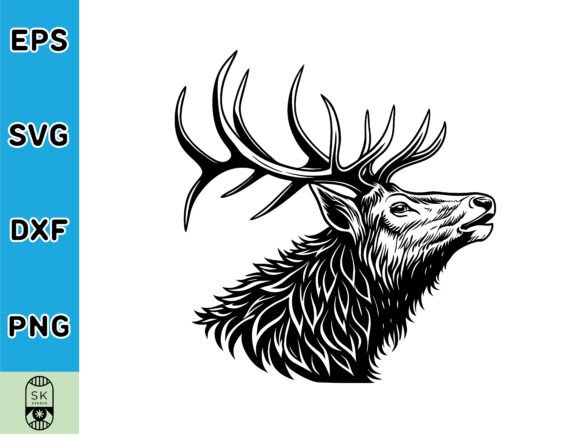
As a brand designer reviewing assets for a client's upcoming product launch campaign, my first impression of the Strange Elk Head SVG Vector is striking. It carries an immediate sense of rugged elegance and quiet strength. The design isn't overly ornate or cartoonish; it's a clean, modern illustration with a certain timeless quality. This emotional tone—a blend of nature-inspired authenticity and refined simplicity—is perfect for brands targeting audiences who value craftsmanship, outdoor lifestyles, or artisanal quality. It feels suitable for premium visuals, handmade product branding, and sophisticated lifestyle content marketing.
The Mood It Creates and Audience Perception
This graphic design asset evokes a connection to nature, heritage, and quality. In a marketing context, that mood can translate to audience perceptions of reliability, authenticity, and durability. If my client is launching a line of handcrafted leather goods or a new series of outdoor-themed editorial content, this elk vector becomes a powerful symbolic anchor. It wouldn’t suit a purely casual, playful brand, but for ventures where trust and a sense of substance are key, it’s an excellent fit. The visual doesn’t shout; it suggests, which is often more effective for building deeper emotional connections.
Fitting Into a Real Marketing Campaign Workflow
Let’s frame this around a real project: a small business launching a seasonal coffee blend with packaging and a supporting digital campaign. The Strange Elk Head SVG Vector could serve as the core decorative brand element. Its scalability as an SVG makes it ideal for adapting across numerous marketing materials. We could use it as a subtle foil on the product label, a bold focal point in social media graphics announcing the launch, and a refined background element in email banners. This single digital product ensures visual consistency from the physical packaging design to every Pinterest pin and Instagram post.
Performance Across Key Branding and Marketing Situations
In practical application, this vector’s versatility shines. For brand identity, it could be adapted as a secondary logo mark or a recurring motif. In packaging design and product labels, it adds premium decorative detail without clutter. For content marketing, it elevates blog graphics, website headers, and editorial design for lead magnets like downloadable guides. Its clean lines make it excellent for digital ads and Facebook carousel images, ensuring the product remains the hero while the asset supports the story. As part of a media kit or Canva template for the brand, it provides a ready-made professional element for partners or the team to use, maintaining stronger recognition across all touchpoints.
Where This Design Asset Works Best
To maximize its impact, I’d deploy the Strange Elk Head SVG Vector in hero graphics for the campaign’s main landing page. It would be powerful as a large, treated element in campaign headers or product launch visuals. For branded templates, it could frame quotes or statistics in social media covers. As a packaging accent on a tissue paper insert or a sticker, it extends the brand experience physically. In content bundles and promotional banners, it provides a consistent visual thread that improves audience trust through a professional, cohesive appearance.
Considerations and Areas for Careful Use
However, this creative design requires thoughtful application. It may clash with formal corporate branding that requires pure abstraction or logotypes. In dense information layouts, like a text-heavy event flyer with many details, it should be used small and subdued to avoid competing with the main message. On small mobile graphics, readability in tiny sizes must be tested—fine details might vanish. On low-contrast backgrounds, it may lose its definition. For overly minimal brands, it might introduce too much illustrative weight. The key is balance: letting it support, not dominate.
Supporting Concrete Marketing Goals
Ultimately, this graphic design asset is a tool to achieve specific goals. It can create a stronger first impression on a storefront or ad. It helps establish clearer visual hierarchy by providing a natural focal point. Used systematically, it builds more consistent branding across platforms. It leads to better product presentation by adding artistic context. That consistency, in turn, improves audience trust and fosters a more memorable campaign visual identity. For a small business branding effort, such a versatile, high-quality asset is a significant advantage.
Practical Brand Designer Notes Before Deployment
Before integrating this into any paid campaign or client work, my checklist is thorough. First, test it with the brand’s color palette—can it be recolored harmoniously? Check its usage in black and white for potential print limitations. Crucially, place it inside real campaign mockups to see it in context with copy and other elements. Preview it on mobile screens. Test its readability when scaled down for a product label icon. Compare it against competitor visuals to ensure it stands out uniquely. Check how it pairs with different font styles: does it balance with a sleek sans serif, complement a script font, or clash with a dense serif? Review spacing and balance when combined with typography. And absolutely confirm the commercial licensing covers use in all intended commercial designs, merchandise, and digital ads. This due diligence turns a great SVG design into a reliable, professional branding asset.
The Final Verdict for Creative Entrepreneurs
For brand owners, content creators, and digital sellers, the Strange Elk Head SVG Vector is a robust addition to a design arsenal. It’s not merely clipart; it’s a strategic illustration that can elevate a brand’s visual narrative. From crafting social media graphics to designing packaging, its adaptability as a printable design and digital asset makes it a efficient choice. It supports the need to attract attention without looking messy, providing that crucial blend of creativity and elegance. In the crowded creative marketplace, such polished, intentional design assets are what help small businesses, online coaches, and product creators present themselves with the confidence and cohesion that audiences respect.